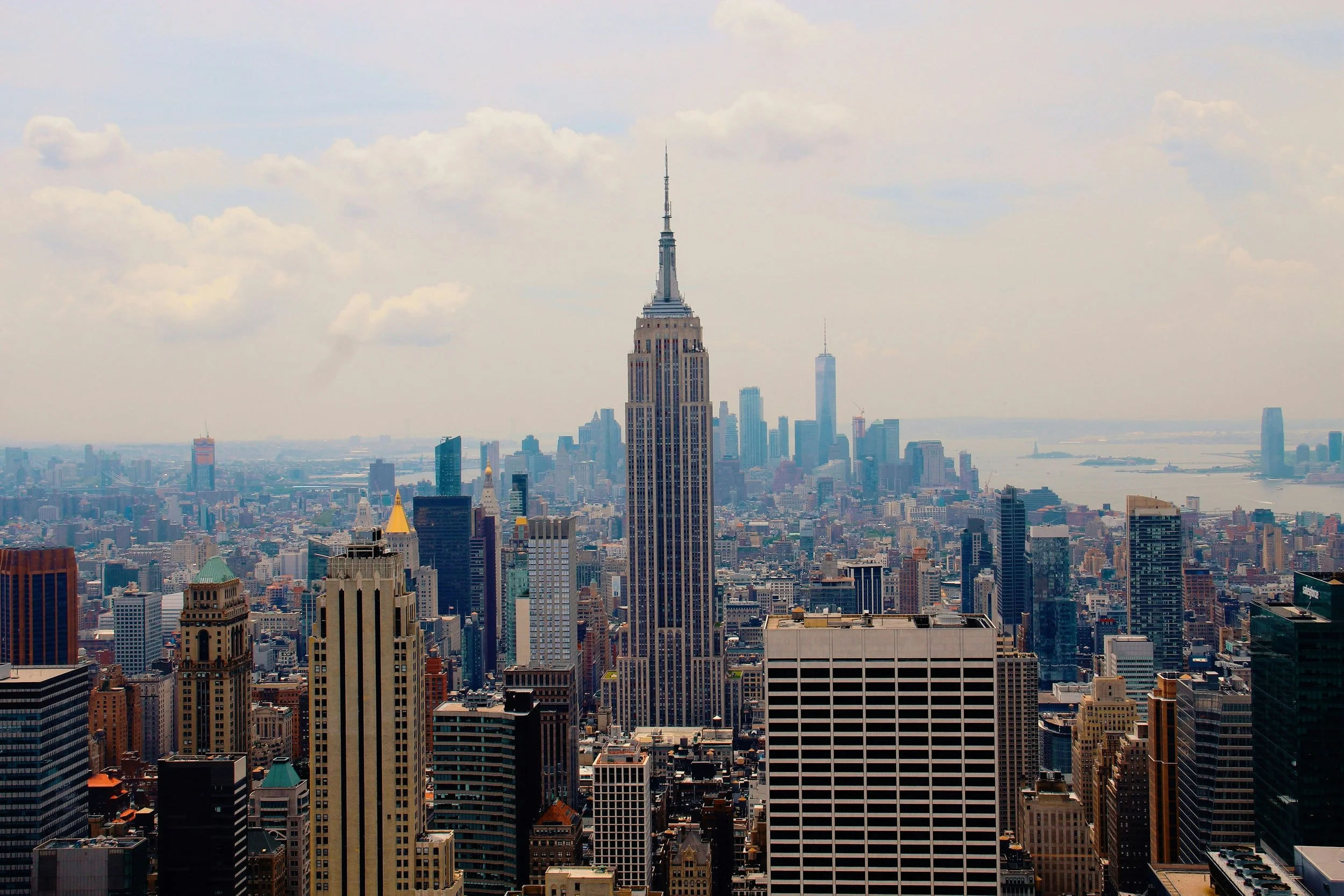
Fixing the Buildings You Already Own
About 80% of the buildings that will exist in 2050 are already standing, and their emissions are still going up. This is the practical work of fixing what's already built: how an owner can sequence a retrofit into spending that's already happening, pay for it without the upfront hit, and time it to the deadlines already arriving.
Your Building Is Already Being Repriced
Carbon performance is already affecting what a building is worth, what it rents for, and whether it can be insured or financed. The market is pricing that risk through four channels — stranding, valuation, insurance, and debt — ahead of most of the regulation.
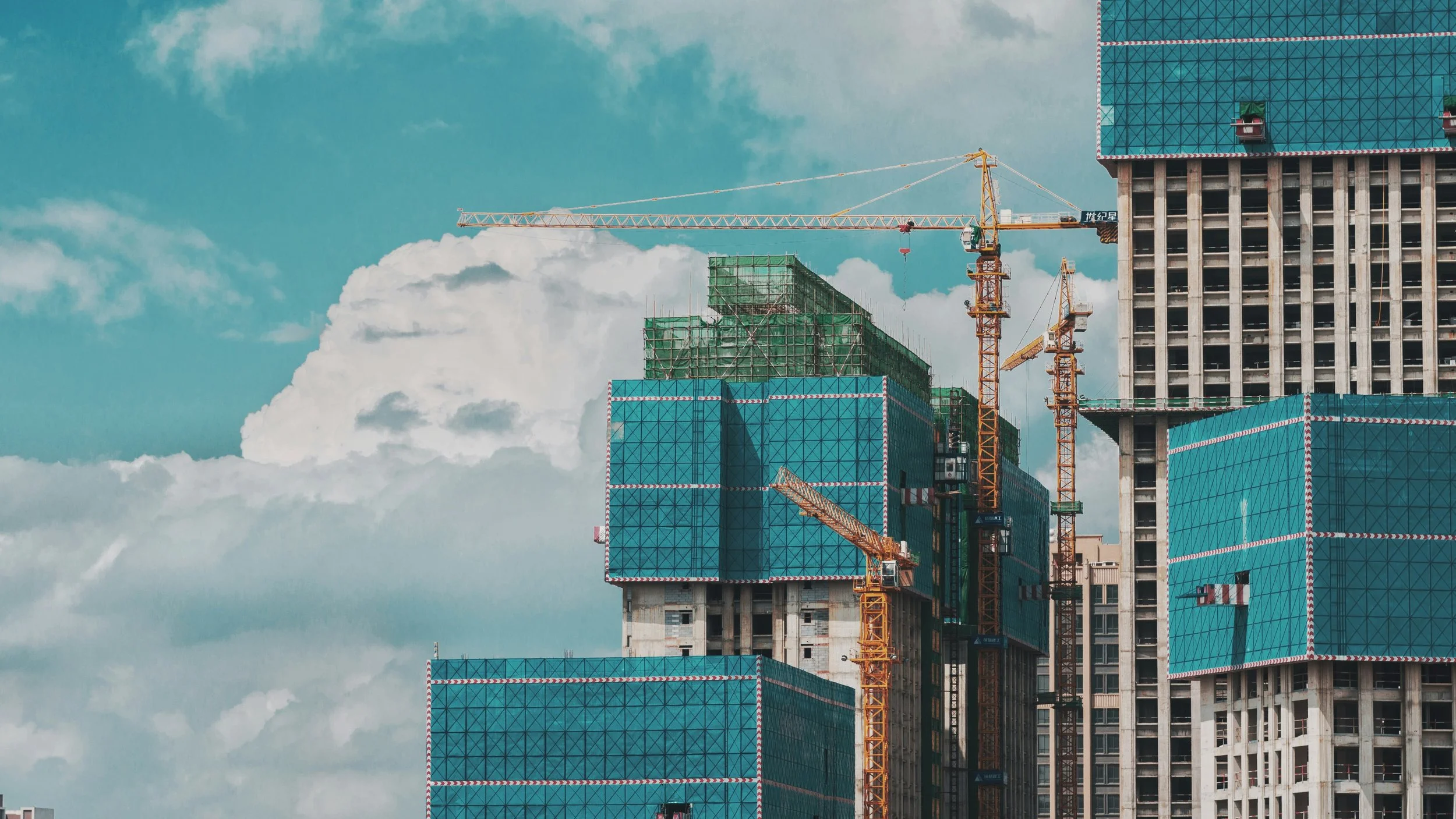
The Problem Was Never the Technology
The tools to cut most building emissions already exist. So why is the sector stuck? A 2025 study points to 95 barriers, and almost none of them are technical.
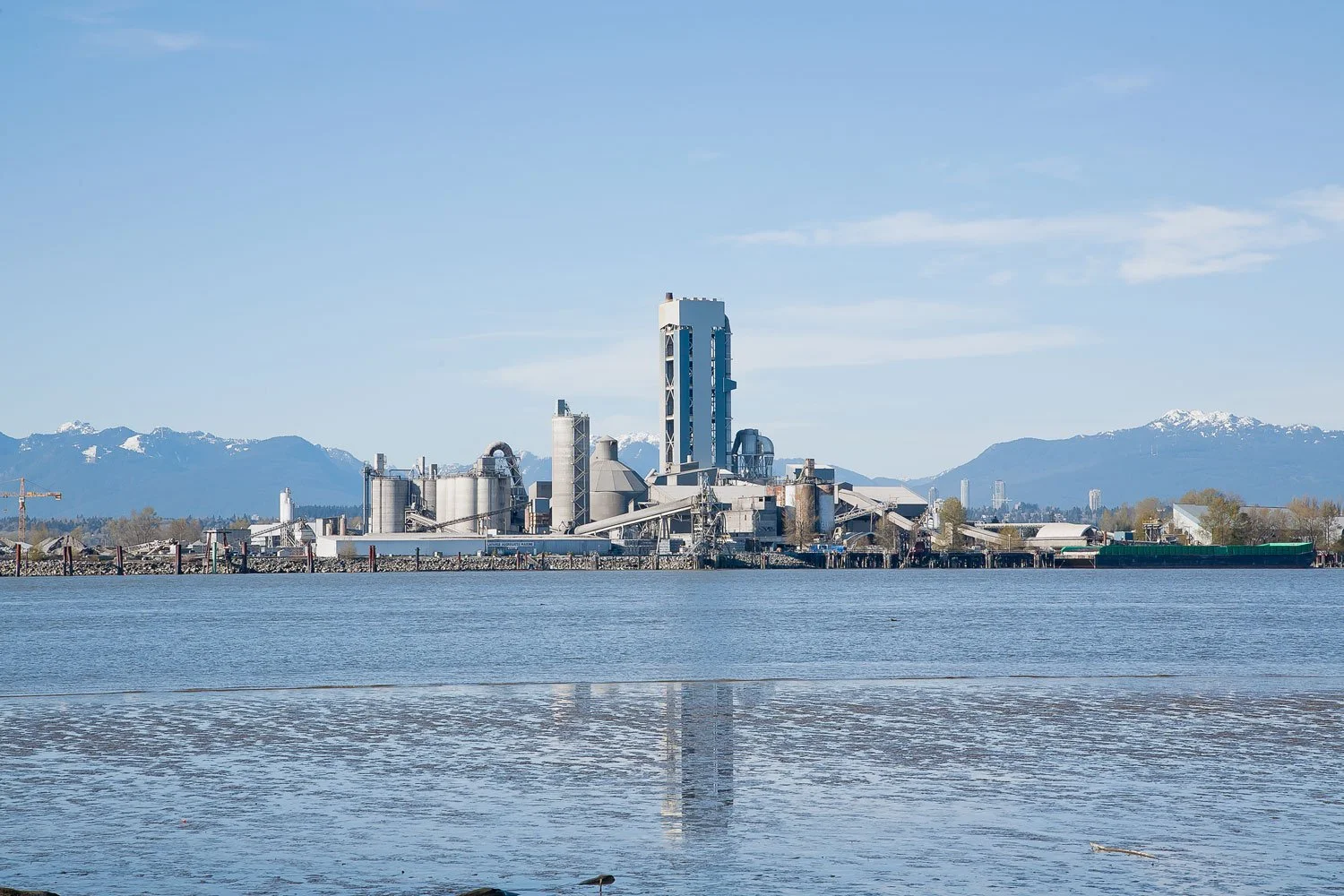
You Can't Plug In a Cement Plant
Cement and steel release CO₂ straight from the chemical reactions that make them, which is why a clean grid can't remove it. This is the built environment's hardest emissions problem — and even the low-carbon substitutes run into limits
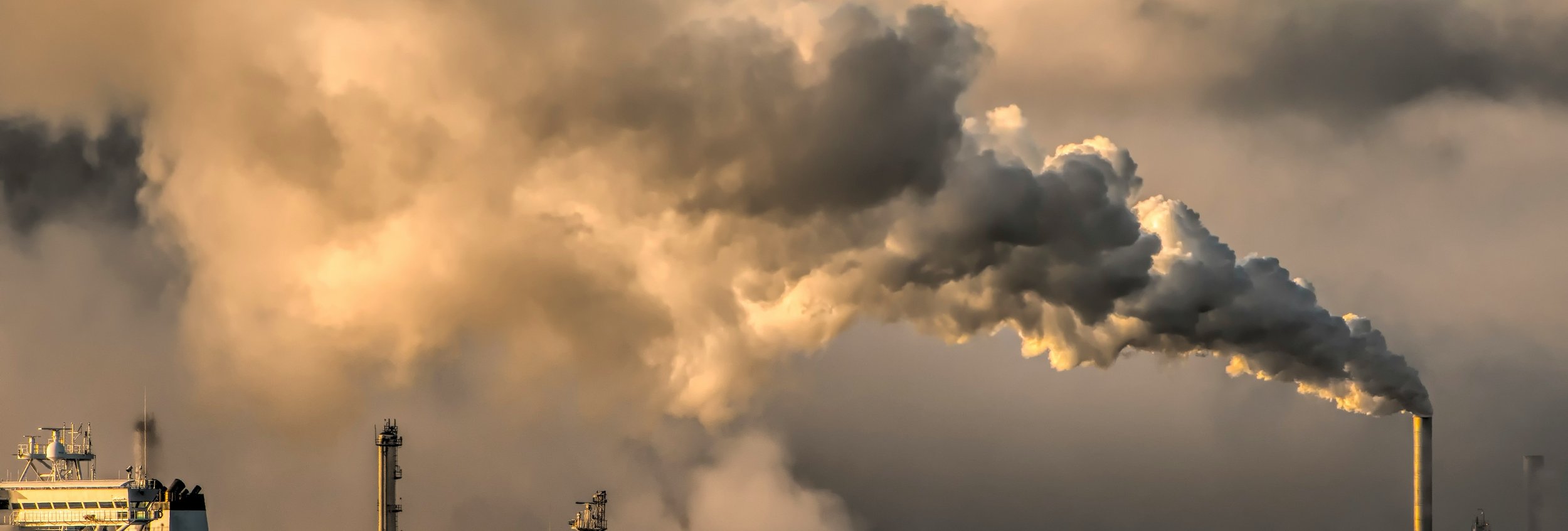
Buildings Are a Third of Global Emissions. Here's What That's Actually Made Of.
Buildings are about a third of global emissions, and that total is settled. What matters is what the third is made of — and why its fastest-growing half, the embodied carbon locked into materials, is the part almost no one is managing or financing.
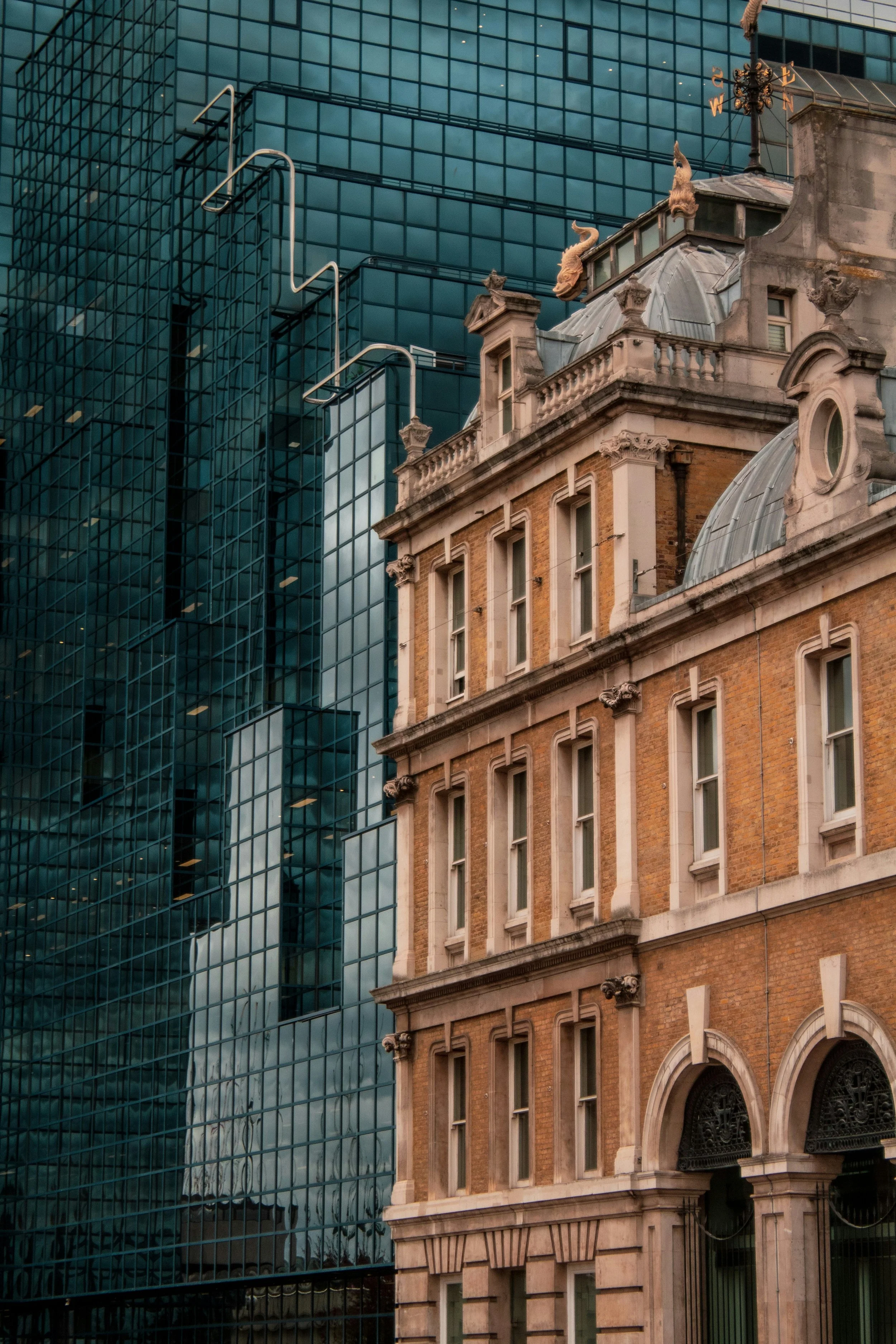
Europe first, North America next.
Canada is building its first sustainable finance taxonomy, with buildings in the first wave. Europe already ran this play — here's what it did to property values.
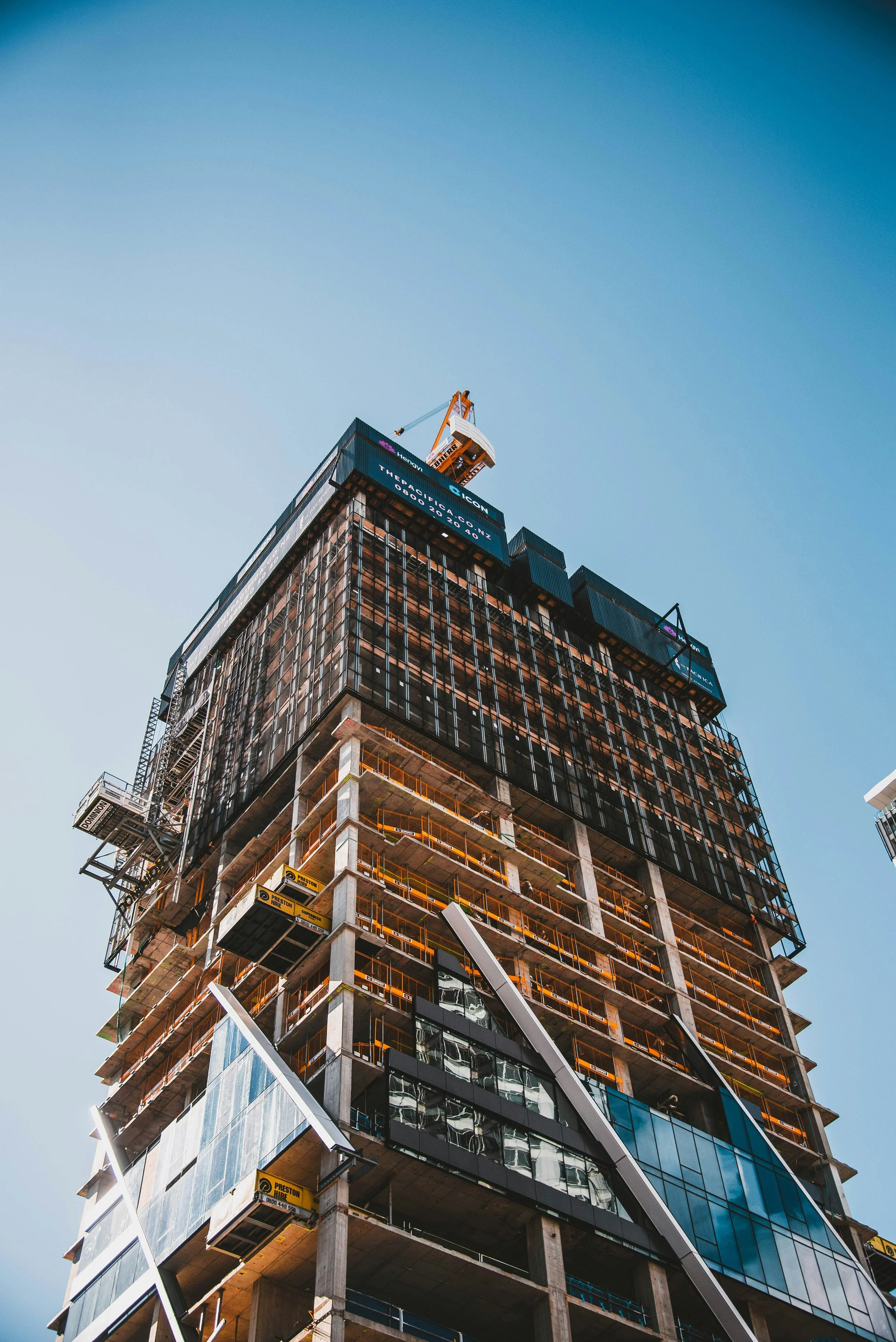
The baseline behind your MLI Select score is about to move
CMHC's energy-code baseline moves September 30, 2026. Same building, fewer points, and about $135,000 a tier in premium. Here's where the number comes from.